
Hormones & Hair Health: What Every Woman Should Know
Posted by Alizay Losoya on Oct 29, 2025
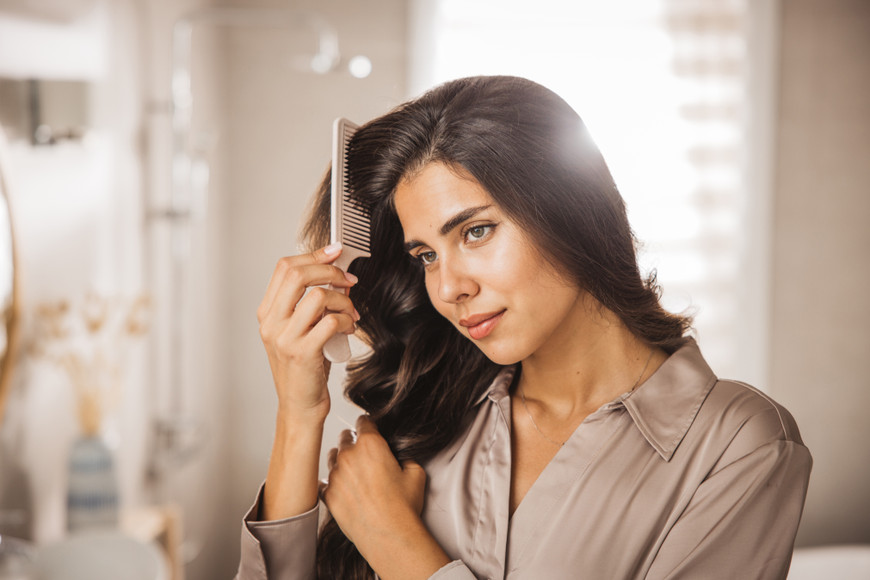
When Hormones Have a Say in Your Strands
You’ve probably blamed stress, heat styling, or that new shampoo for a recent bout of hair shedding — but sometimes, the real culprit lies deeper. Hormones quietly govern more than just mood swings and energy levels; they play a powerful role in determining how thick, shiny, and resilient your hair looks and feels.
From puberty to menopause (and every hormonal fluctuation in between), women experience natural rises and falls in estrogen, progesterone, thyroid hormones, and androgens — each influencing the scalp’s growth cycle. The result? A rollercoaster of good hair days and “why is this happening?” mornings.
The good news: understanding how hormones impact your hair can help you regain control — with science-backed supplements, scalp care, and daily habits that restore balance from the inside out.
The Science Behind Hair Growth (and Loss)
Before we dive into hormones, it helps to understand how hair grows. Each strand follows a three-phase cycle:
-
Anagen (Growth Phase) — Hair actively grows for 2–7 years.
-
Catagen (Transition Phase) — The follicle shrinks and detaches from the blood supply.
-
Telogen (Resting/Shedding Phase) — The old hair falls out to make room for new growth.
Healthy hormone levels keep this rhythm steady. When hormones fluctuate, the timeline shortens, leading to more hairs entering the shedding phase prematurely. Over time, the follicle itself may weaken, producing finer, thinner hair — or stopping growth altogether.
The Key Hormones Affecting Women’s Hair Health
1. Estrogen: The Growth Guardian
Estrogen is the superstar of healthy hair. It extends the anagen phase, meaning more time for hair to grow thicker and longer. That’s why many women experience lustrous, full hair during pregnancy when estrogen levels soar — and notice more shedding after childbirth when those levels plummet.
When estrogen drops (due to perimenopause, menopause, or certain birth-control changes), follicles spend less time growing and more time resting, leading to visible thinning or hairline recession.
How to support it:
-
Focus on phytoestrogen-rich foods (flaxseed, soy, chickpeas) that may gently mimic estrogen’s effects.
-
Consider hormone-balancing supplements like Nutrafol Women’s Balance, formulated with maca, saw palmetto, and adaptogens to help maintain healthy estrogen levels while supporting stress resilience.
-
Keep up regular scalp massage to boost circulation and follicle vitality.
Progesterone: The Balancer
Progesterone acts as estrogen’s steady partner. It helps regulate oil production and counteracts testosterone’s effects on hair follicles. When progesterone dips — commonly in perimenopause or during high-stress periods — oil balance shifts, and hair may become brittle or dull.
When progesterone is low, androgen activity can rise, triggering excess shedding or even mild pattern thinning around the temples and crown.
How to support it:
-
Prioritize sleep and stress management, as chronic stress suppresses progesterone production.
-
Maintain healthy dietary fats (avocado, olive oil, omega-3s) — the raw materials for hormone synthesis.
-
Supplements like Thorne Omega-3 with CoQ10 can promote both hormone balance and scalp nourishment.
Testosterone and DHT: The Double-Edged Duo
Although testosterone is considered a “male” hormone, women produce it too — and it’s essential in small amounts. However, when excess testosterone converts into DHT (dihydrotestosterone), it can shrink follicles and shorten their growth phase. This is a major cause of female pattern hair thinning.
High DHT levels are often linked to polycystic ovary syndrome (PCOS), post-partum hormonal shifts, and perimenopause. You might notice thinning at the crown, receding at the temples, or increased shedding in the shower.
How to support it:
-
Incorporate DHT blockers such as saw palmetto, present in Nutrafol Women’s Balance and Nutrafol Hair Serum.
-
Keep inflammation in check with antioxidants and adaptogens like ashwagandha and curcumin.
-
Avoid crash diets — calorie restriction can increase free testosterone levels.
Thyroid Hormones: The Metabolism Regulators
The thyroid gland releases hormones (T3 and T4) that control your metabolism, energy, and yes — hair growth. An underactive thyroid (hypothyroidism) can cause dryness, brittleness, and diffuse thinning. Conversely, an overactive thyroid (hyperthyroidism) may lead to excessive shedding.
Thyroid-related hair loss tends to appear gradually but can affect the entire scalp. It’s often accompanied by fatigue, weight changes, or brittle nails.
How to support it:
-
Check thyroid panels (TSH, T3, T4) regularly if you suspect imbalances.
-
Focus on nutrients that fuel thyroid health — selenium, zinc, and iodine.
-
Supplements like Designs for Health Thyroid Synergy can help optimize thyroid support under medical guidance.
Cortisol: The Stress Hormone
Ever noticed more hair in your brush during stressful weeks? That’s cortisol at work. Chronic stress pushes more hairs into the telogen phase, a condition known as telogen effluvium. It also disrupts estrogen and thyroid balance, compounding the problem.
How to support it:
-
Manage stress through mindful movement (yoga, walking, or breathwork).
-
Try adaptogenic herbs like ashwagandha or Rhodiola, both found in Nutrafol Core for Women.
-
Ensure consistent, restorative sleep — your scalp repairs and regenerates overnight.
Life Stages & Hormonal Hair Shifts
Puberty
The first surge of hormones can bring thicker hair growth — and sometimes oiliness or dandruff as androgens increase sebum production. Balanced cleansing and scalp care set the foundation for lifelong hair health.
Pregnancy & Postpartum
Pregnancy boosts estrogen, giving hair that enviable fullness. After birth, estrogen levels plunge, often triggering postpartum shedding (telogen effluvium). While alarming, this phase is temporary. Nutritional support, gentle scalp massage, and postpartum-safe supplements can encourage regrowth.
Perimenopause & Menopause
The estrogen-progesterone decline paired with higher DHT sensitivity makes this the most common stage for noticeable thinning. Hair may become weaker, drier, or slower to grow.
Hero helpers: Nutrafol Women’s Balance, collagen peptides, and topical serums that nourish follicles directly.
The Role of Nutrition in Hormonal Hair Health
Even the best shampoo can’t outdo what your body’s missing internally. A nutrient-dense diet helps stabilize hormones and strengthen follicles.
Top nutrients for hair + hormone harmony:
-
Protein — Essential for keratin structure. (Aim for 0.8–1 g per lb of body weight.)
-
Iron — Low ferritin levels can cause hair loss even without anemia.
-
Zinc & Selenium — Vital for thyroid and scalp health.
-
Vitamin D — Regulates hair follicle cycling.
-
B Vitamins & Biotin — Support follicle metabolism and energy production.
-
Omega-3s — Reduce inflammation and balance hormones.
Inside-out routine idea: Pair a protein-rich breakfast with Nutrafol Women’s Balance or Designs for Health Metabolic Synergy for consistent hormonal support.
Supplements That Target Hormonal Hair Loss
Nutrafol Women’s Balance
Clinically studied to improve hair thickness and reduce shedding during perimenopause and menopause.
Key actives: Maca, saw palmetto, ashwagandha, marine collagen, vitamin D, and curcumin.
In a clinical study, 100 % of women showed improved hair growth after 9 months — and many also reported reduced stress, better mood, and improved sleep.
Thorne Biotin 10 mg
Supports keratin infrastructure and strengthens brittle strands, especially during hormonal transitions.
Designs for Health Adrenotone
Blends adaptogens and B-vitamins that regulate cortisol and stabilize hormonal stress responses.
Nutrafol Hair Serum
A topical DHT-blocking serum that strengthens follicles and increases visible thickness when used consistently for 3–6 months.
Lifestyle Habits That Help Balance Hormones Naturally
-
Sleep 7–8 hours nightly — hormone repair and collagen synthesis peak overnight.
-
Limit sugar and refined carbs — insulin spikes worsen DHT activity.
-
Exercise regularly — boosts circulation and hormone balance.
-
Hydrate well — dehydration stresses both body and scalp.
-
Avoid smoking and excess alcohol — both disrupt estrogen and circulation.
-
Massage your scalp daily — boosts blood flow and nutrient delivery to follicles.
When to Seek Professional Help
If you notice:
-
Widening part or visible scalp patches
-
Sudden hair shedding after illness or stress
-
Irregular periods, acne, or facial hair growth
-
Fatigue, weight changes, or cold sensitivity
It’s time to consult your healthcare provider. A simple hormone or thyroid panel can uncover imbalances, and a dermatologist can recommend treatments like topical minoxidil or PRP therapy. Combining medical insight with a holistic supplement plan delivers the best long-term results.
From Frustration to Flourish: Your Hormone-Hair Comeback Plan
Hormonal hair changes aren’t a dead end — they’re a signal from your body asking for balance. By nourishing yourself inside and out, managing stress, and supplementing strategically, you can rebuild both your confidence and your strands.
Whether you’re facing postpartum shedding, perimenopausal thinning, or everyday stress-related fallout, solutions exist — and they’re science-backed, not wishful thinking.
Start small: commit to a nutrient-rich breakfast, a calming nightly ritual, and consistent use of supplements like Nutrafol Women’s Balance. In 3–6 months, you’ll likely see more baby hairs, less shedding, and stronger, shinier strands.
Because when your hormones are in harmony — your hair follows suit.