
Antioxidants for Spring: Why Vitamin C Alone Isn’t Enough
Posted by Alizay Losoya on Mar 27, 2026
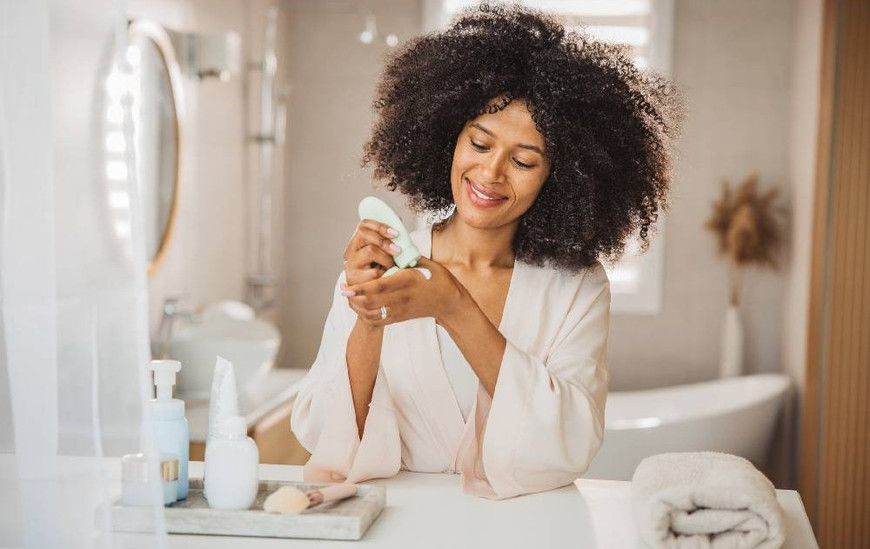
As winter fades and spring emerges, your skincare routine should evolve along with the changing environment. Warmer temperatures, increased sun exposure, higher humidity, and environmental allergens all introduce new stressors to the skin. While many people instinctively reach for vitamin C as their go-to antioxidant during this transitional season, relying on a single ingredient is often not enough to fully protect and support the skin.
Spring is the ideal time to build a more comprehensive antioxidant strategy—one that goes beyond vitamin C to include a synergistic blend of ingredients that defend, repair, and enhance overall skin health.
Understanding Antioxidants and Why They Matter
Antioxidants are molecules that neutralize free radicals—unstable atoms generated by environmental stressors such as UV radiation, pollution, and even internal processes like metabolism. These free radicals damage skin cells, accelerate aging, contribute to hyperpigmentation, and weaken the skin barrier.
During spring, free radical exposure increases due to:
- More time spent outdoors
- Stronger UV radiation
- Environmental pollutants and allergens
- Temperature and humidity fluctuations
Without adequate antioxidant protection, skin becomes more vulnerable to dullness, fine lines, inflammation, and uneven tone.
The Role of Vitamin C (and Its Limitations)
Vitamin C is one of the most well-known and researched antioxidants in skincare—and for good reason. It offers multiple benefits:
- Brightens the complexion
- Helps reduce hyperpigmentation
- Supports collagen production
- Provides some protection against UV-induced damage
However, vitamin C has its limitations:
1. It’s unstable
Vitamin C can oxidize quickly when exposed to light and air, reducing its effectiveness over time.
2. It works best with support
On its own, vitamin C provides partial protection. Its performance significantly improves when combined with other antioxidants.
3. It doesn’t address all skin concerns
While excellent for brightening and anti-aging, vitamin C alone doesn’t fully address inflammation, barrier repair, or hydration.
This is why a more well-rounded antioxidant approach is essential—especially in spring.
Why You Need a Multi-Antioxidant Approach
Think of antioxidants as a team rather than a single hero ingredient. Different antioxidants target different types of free radicals and skin concerns. When combined, they create a more complete defense system.
A well-rounded antioxidant routine can:
- Enhance protection against environmental stressors
- Improve skin tone and clarity
- Reduce inflammation and sensitivity
- Strengthen the skin barrier
- Support long-term skin health
Key Antioxidants to Add to Your Spring Routine
Vitamin E: The Perfect Partner to Vitamin C
Vitamin E is a lipid-soluble antioxidant that works in harmony with vitamin C. While vitamin C protects the outer layers of the skin, vitamin E helps stabilize cell membranes and prevent moisture loss.
Benefits:
- Enhances the effectiveness of vitamin C
- Provides hydration and barrier support
- Helps calm irritation
When used together, vitamins C and E create a stronger defense against UV damage than either ingredient alone.
Ferulic Acid: The Stability Booster
Ferulic acid is a plant-based antioxidant that plays a critical role in stabilizing other antioxidants—particularly vitamins C and E.
Benefits:
- Boosts the potency of vitamin C
- Improves overall antioxidant performance
- Provides additional protection against environmental damage
This ingredient is often found in high-performance serums because it enhances both efficacy and longevity.
Niacinamide: The Multi-Tasking Essential
Niacinamide (vitamin B3) is one of the most versatile ingredients in skincare and an excellent addition to your spring routine.
Benefits:
- Reduces redness and inflammation
- Strengthens the skin barrier
- Regulates oil production
- Improves uneven skin tone
As temperatures rise, many people experience increased oil production and breakouts. Niacinamide helps balance the skin while providing antioxidant support.
Green Tea Extract: Calm and Protect
Green tea is rich in polyphenols, which are powerful antioxidants known for their anti-inflammatory properties.
Benefits:
- Soothes irritated or reactive skin
- Reduces redness caused by environmental stress
- Protects against UV-induced damage
This is particularly beneficial during spring when allergens and environmental changes can trigger sensitivity.
Resveratrol: The Anti-Aging Powerhouse
Resveratrol is a potent antioxidant derived from grapes and berries. It is especially effective at combating visible signs of aging.
Benefits:
- Neutralizes free radicals
- Supports skin repair
- Helps improve firmness and elasticity
Resveratrol works well in nighttime routines to complement daytime antioxidant protection.
Coenzyme Q10 (CoQ10): Cellular Energy Support
CoQ10 is naturally found in the body but decreases with age. It plays a key role in cellular energy production and protection.
Benefits:
- Supports skin cell regeneration
- Reduces oxidative stress
- Helps minimize fine lines
Adding CoQ10 can enhance your skin’s resilience during seasonal transitions.
How to Build an Antioxidant-Rich Spring Routine
Creating an effective routine doesn’t mean layering dozens of products. Instead, focus on strategic combinations that deliver maximum benefit.
Morning Routine (Protection Focus)
Your morning routine should prioritize defense against daily environmental stressors.
- Cleanser – Gentle, non-stripping formula
- Antioxidant Serum – Look for a blend of vitamin C, E, and ferulic acid
- Niacinamide or calming serum – Optional, for added balance
- Moisturizer – Lightweight and hydrating
- Sunscreen (SPF 30+) – Essential, even with antioxidants
Antioxidants and SPF work together—antioxidants neutralize free radicals, while sunscreen prevents UV damage.
Evening Routine (Repair Focus)
Nighttime is when your skin repairs itself, making it the perfect time to incorporate additional antioxidants.
- Cleanser
- Treatment serum – Resveratrol, CoQ10, or green tea-based formulas
- Moisturizer – Slightly richer if needed
You can also alternate exfoliating treatments a few times per week to enhance product absorption.
Common Mistakes to Avoid
Using only one antioxidant
Relying solely on vitamin C limits your skin’s protection. A combination approach is far more effective.
Skipping sunscreen
Antioxidants are not a replacement for SPF. They work best together.
Overloading your routine
More isn’t always better. Focus on a few well-formulated products rather than layering too many actives.
Ignoring your skin type
Choose antioxidant formulations that suit your skin:
- Oily skin: lightweight, oil-free serums
- Dry skin: richer, hydrating formulas
- Sensitive skin: calming antioxidants like green tea and niacinamide
The Bottom Line
Spring is a season of renewal—not just for nature, but for your skin as well. As environmental stressors increase, your skincare routine should adapt to provide stronger, more comprehensive protection.
While vitamin C remains a cornerstone ingredient, it is not enough on its own. By incorporating a broader range of antioxidants—such as vitamin E, ferulic acid, niacinamide, and plant-based extracts—you can create a routine that not only protects but also enhances your skin’s overall health and appearance.
A well-rounded antioxidant strategy will leave your skin brighter, calmer, and more resilient—ready to thrive throughout the season ahead.