
Your St. Patrick’s Day Skin Detox: Resetting Your Routine for Spring
Posted by Alizay Losoya on Mar 06, 2026
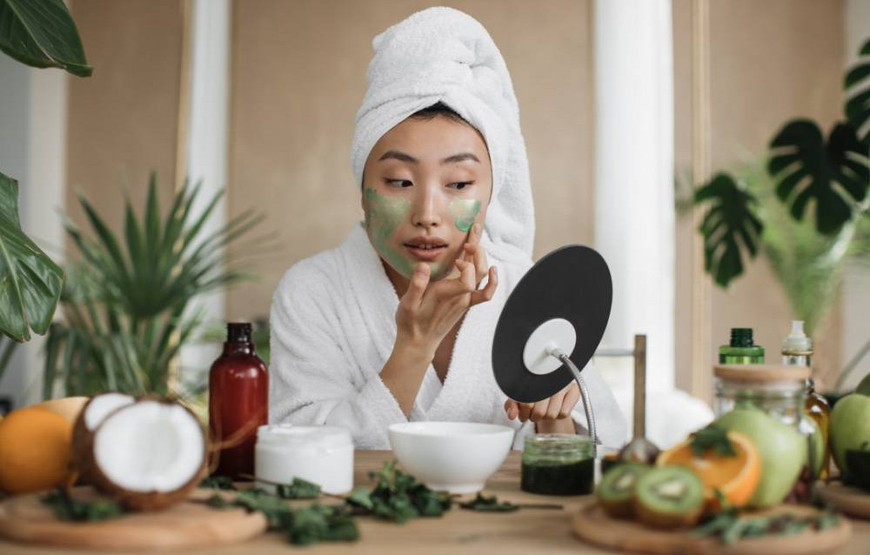
As winter fades and the first hints of spring begin to appear, March is the perfect time to refresh more than just your wardrobe. Your skin has likely endured months of cold air, indoor heating, heavier moisturizers, and less sun exposure. While winter skincare focuses heavily on protection and hydration, spring calls for renewal, balance, and a lighter, brighter approach.
With St. Patrick’s Day around the corner, consider this the perfect opportunity for a “skin detox.” No, this doesn’t mean stripping your skin or jumping on extreme trends. Instead, a skincare detox is about simplifying your routine, supporting your skin barrier, and introducing ingredients that help your complexion transition into warmer months.
Think of it as your pot of gold for healthier, glowing skin just in time for spring.
Below, we’ll walk through how winter impacts your skin, the signs your routine needs a reset, and the steps you can take to refresh your skincare routine for the new season.
Why Your Skin Needs a Spring Reset
During winter, skin faces a number of challenges that can disrupt its natural balance. Cold outdoor temperatures combined with dry indoor heating can lead to moisture loss, while heavier creams and occlusive products used during colder months may begin to feel too heavy as the weather warms up.
Some of the most common winter skin concerns include:
-
Dryness and dehydration
-
Dull or uneven tone
-
Congested pores
-
Increased sensitivity
-
Rough or flaky texture
As humidity rises in the spring, your skin’s needs naturally change. Continuing the same routine you used in January may lead to breakouts, congestion, or excess oil production.
A seasonal skincare reset allows you to clear away buildup, rebalance your skin barrier, and introduce ingredients that support brightness, hydration, and protection.
Signs Your Skin Needs a Detox
Not sure if your skincare routine needs a refresh? Your skin often gives you clear signals when it’s time to make adjustments.
Here are a few signs that your routine may need a spring reset:
Persistent dullness:
Winter can leave skin looking tired and lackluster due to slower cell turnover and buildup of dead skin cells.
Congested pores or breakouts:
Heavier moisturizers and reduced exfoliation can lead to clogged pores and breakouts.
Products suddenly feel too heavy:
If your moisturizers feel greasy or makeup doesn’t sit well on your skin anymore, it may be time to lighten your routine.
Dry patches despite moisturizing:
This may indicate that your skin barrier needs gentle exfoliation and hydration rather than thicker creams.
A detox isn’t about eliminating products completely—it’s about rebalancing your routine so your skin can function optimally.
Step 1: Start With a Gentle Cleanse
Every skincare reset begins with cleansing. Over the winter, residue from richer creams, sunscreen, and environmental pollutants can build up on the skin.
Switching to a gentle but effective cleanser can help remove impurities without stripping your natural moisture barrier.
Look for cleansers that contain ingredients like:
-
glycerin
-
aloe
-
chamomile
-
mild surfactants
These help lift away dirt, oil, and buildup while keeping the skin comfortable and hydrated.
If you regularly wear makeup or sunscreen, a double cleanse routine can be beneficial. This involves using a cleansing balm or oil first, followed by a gentle water-based cleanser to remove remaining residue.
Step 2: Exfoliate Away Winter Dullness
One of the most important steps in a spring skincare reset is exfoliation. During colder months, dead skin cells can accumulate on the surface of the skin, creating a rough texture and dull appearance.
Exfoliation helps:
-
improve skin texture
-
promote brighter tone
-
unclog pores
-
support healthy cell turnover
There are two main types of exfoliation:
Chemical exfoliation:
Uses ingredients such as AHAs (glycolic or lactic acid) and BHAs (salicylic acid) to dissolve dead skin cells.
Physical exfoliation:
Uses small particles or tools to manually buff away buildup.
For most people, gentle chemical exfoliation once or twice per week is the most effective and least irritating option.
Over-exfoliating can damage the skin barrier, so it’s important to start slowly and pay attention to how your skin responds.
Step 3: Focus on Skin Barrier Repair
A healthy skin barrier is essential for maintaining hydration, preventing irritation, and protecting against environmental stressors.
Winter weather can weaken this barrier, which is why spring is the perfect time to focus on repair and reinforcement.
Look for products that contain barrier-supporting ingredients like:
-
ceramides
-
niacinamide
-
hyaluronic acid
-
peptides
These ingredients help replenish moisture, calm inflammation, and strengthen the skin’s natural defenses.
A lightweight moisturizer with barrier-supporting ingredients can keep skin hydrated without feeling heavy as temperatures begin to rise.
Step 4: Introduce Antioxidants for Spring Protection
As days grow longer and outdoor activity increases, your skin becomes more exposed to environmental stressors such as UV rays and pollution.
Antioxidants play a key role in protecting the skin from these factors by neutralizing free radicals that contribute to premature aging.
One of the most popular antioxidant ingredients is vitamin C, which offers multiple skin benefits including:
-
brightening dull skin
-
supporting collagen production
-
improving uneven tone
-
protecting against environmental damage
Incorporating an antioxidant serum into your morning routine can help keep your skin radiant and resilient as you transition into spring.
Step 5: Lighten Up Your Moisturizer
The rich creams that saved your skin in January may feel too heavy by March.
As humidity increases, your skin may benefit from switching to a lighter moisturizer or gel-based formula that hydrates without clogging pores.
Look for lightweight formulas that still provide hydration through ingredients such as:
-
hyaluronic acid
-
squalane
-
glycerin
These ingredients attract and retain moisture without leaving a greasy finish.
This small change can make a big difference in maintaining balanced skin as the seasons shift.
Step 6: Don’t Forget SPF
If there’s one skincare habit that should stay consistent year-round, it’s sun protection.
Many people neglect sunscreen during the winter months, but spring is the perfect reminder to make daily SPF a non-negotiable part of your routine.
UV exposure is one of the leading causes of:
-
premature aging
-
hyperpigmentation
-
collagen breakdown
-
skin damage
Dermatologists recommend using a broad-spectrum sunscreen with at least SPF 30 every day, even when it’s cloudy.
Modern sunscreen formulas are lightweight, blend easily into the skin, and work seamlessly under makeup.
Step 7: Support Your Skin From Within
A skincare reset doesn’t have to stop at topical products. Your lifestyle habits and nutrition also play an important role in maintaining healthy skin.
As you transition into spring, consider supporting your skin through:
Hydration:
Drinking enough water helps maintain skin elasticity and hydration.
Antioxidant-rich foods:
Leafy greens, berries, and citrus fruits contain nutrients that help protect skin from environmental stress.
Collagen-supporting nutrients:
Protein, vitamin C, and certain supplements can help support skin structure and elasticity.
Omega-3 fatty acids:
These help maintain skin hydration and reduce inflammation.
Taking a holistic approach to skincare ensures that your skin is supported both inside and out.
Building Your Spring Skincare Routine
After completing your detox, your spring skincare routine may look something like this:
Morning Routine
-
Gentle cleanser
-
Antioxidant serum
-
Lightweight moisturizer
-
Broad-spectrum SPF
Evening Routine
-
Cleanser (double cleanse if wearing makeup)
-
Exfoliating treatment (1–2 times per week)
-
Hydrating serum or treatment
-
Moisturizer
This simple routine supports healthy skin without overwhelming it with too many products.