
Hyperpigmentation Hacks: Combining Light Therapy, Skincare & Lifestyle
Posted by Gail Leroy on Jul 09, 2025
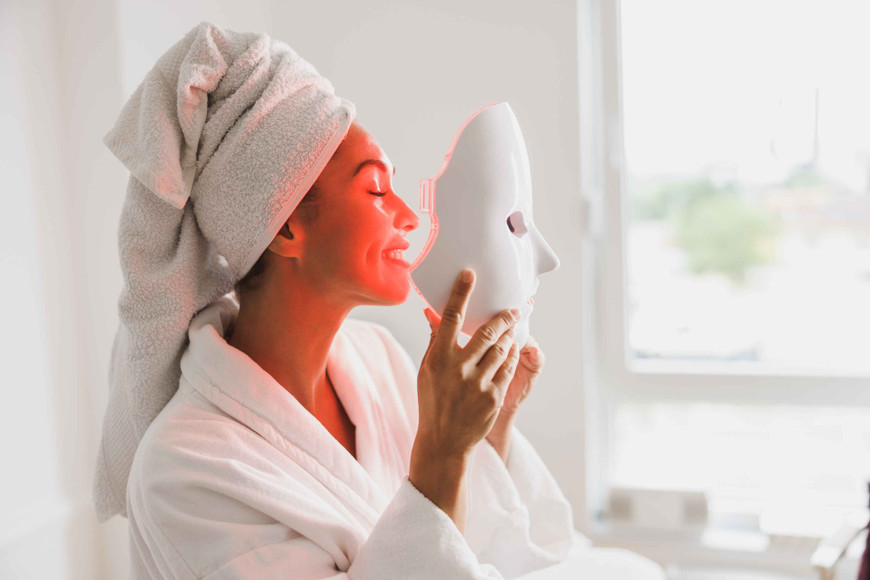
Hyperpigmentation—it’s one of the most stubborn skin concerns out there. Whether it’s post-acne scarring, melasma, or sunspots, those dark patches seem to linger far longer than we’d like. But the good news? You don’t have to tackle them with skincare alone. The most effective way to fade hyperpigmentation is through a strategic, three-pronged approach that combines light therapy, smart skincare, and lifestyle changes that support skin from the inside out.
In this guide, we’ll break down each element of this powerful trio so you can take a holistic path toward clear, radiant skin.
What Is Hyperpigmentation—And Why Is It So Persistent?
Hyperpigmentation occurs when your skin produces excess melanin—the pigment that gives skin its color—in certain areas. This can be triggered by:
-
Sun exposure
-
Hormonal fluctuations (e.g., pregnancy, birth control)
-
Post-inflammatory hyperpigmentation (often from acne or injuries)
-
Skin irritation from harsh products
Melanin clumps at the surface and can become “trapped” in the skin for weeks, months, or even years if left untreated. The challenge? Unlike pimples that come and go, pigmentation takes a consistent, multifaceted routine to fade. That’s where combining therapies becomes a game-changer.
1. Light Therapy: The Secret Weapon Against Stubborn Spots
Light therapy, also known as phototherapy, uses wavelengths of light to target pigmentation deep in the skin. It’s become increasingly popular as a non-invasive, at-home solution for uneven tone. Here’s how it works:
Red Light Therapy
-
Benefits: Boosts collagen production, reduces inflammation, supports skin healing.
-
How it helps: Calms the skin post-acne or irritation, preventing further pigmentation from forming.
Blue Light Therapy
-
Benefits: Kills acne-causing bacteria and helps manage active breakouts.
-
How it helps: Prevents post-acne marks by reducing breakouts at the source.
LED Light Devices for Pigmentation (Multi-Wavelength)
Devices that combine red and near-infrared light are particularly effective for targeting existing hyperpigmentation and improving skin texture overall.
Try This From BeautifiedYou:
Foreo UFO 2 or Foreo Espada 2 Blue LED Light Acne Device
These high-tech tools combine targeted light wavelengths with thermal and pulsation therapies to deeply treat pigmentation and inflammation.
Pro Tip: Use light therapy 3–5 times per week for best results, ideally after cleansing and before applying serums.
2. Skincare: Ingredients That Actually Fade Hyperpigmentation
While light therapy works its magic beneath the skin, your topical skincare routine should be doing the heavy lifting on the surface. Focus on brightening, exfoliation, and inflammation control.
Key Ingredients to Look For:
✨ Vitamin C
-
Function: Antioxidant that inhibits melanin production.
-
Best for: Brightening and protecting against further sun damage.
-
Try: Dermalogica BioLumin-C Serum or SkinMedica Vitamin C+E Complex
✨ Niacinamide (Vitamin B3)
-
Function: Prevents pigment transfer and boosts barrier strength.
-
Best for: Melasma, dull skin, and acne-prone complexions.
-
Try: Obagi Nu-Derm Clear Fx
✨ Alpha Arbutin
-
Function: Natural derivative that slows melanin production.
-
Best for: Gentle but effective daily use.
✨ Retinoids (Retinol or Tretinoin)
-
Function: Speeds up skin cell turnover and reduces pigment clusters.
-
Best for: Sunspots and post-inflammatory marks.
-
Try: PCA Skin Intensive Brightening Treatment 0.5% Pure Retinol
✨ Azelaic Acid
-
Function: Reduces redness and targets dark spots with anti-inflammatory power.
-
Best for: Sensitive skin types or rosacea-prone skin.
✨ Chemical Exfoliants (AHAs/BHAs)
-
Function: Remove dead skin cells that trap melanin.
-
Best for: Uncovering fresher, more even-toned skin beneath.
Important: Always pair brightening products with SPF 50 daily. Without sun protection, hyperpigmentation will quickly return—even faster than before.
3. Lifestyle Tweaks That Boost Your Results
You can have the best products in the world, but if your daily habits are sabotaging your skin, progress will be slow. Here’s how to support a brighter complexion from within:
☀️ Daily Sun Protection (Even Indoors!)
Sun exposure—even through glass windows—can worsen pigmentation. Wear a broad-spectrum SPF every single day, rain or shine.
Top Picks from BeautifiedYou:
-
EltaMD UV Clear Broad-Spectrum SPF 46
-
La Roche-Posay Anthelios Melt-In Milk SPF 100
Pro Tip: Reapply every 2–3 hours if you’re outdoors or near windows.
Diet: Antioxidant-Rich Foods
-
Eat more: Berries, leafy greens, fatty fish, nuts, and green tea
-
Why it helps: These foods reduce oxidative stress, inflammation, and free radical damage—all of which contribute to pigmentation.
Sleep + Stress Management
Cortisol (the stress hormone) can worsen melasma and acne, both of which lead to pigmentation. Prioritize 7–8 hours of sleep and add calming rituals like journaling, meditation, or adaptogenic supplements.
Try: Vital Nutrients Adrenal Support or Gaia Herbs SleepThru
Stay Hydrated
Hydrated skin heals faster and turns over more efficiently, which means dark spots fade faster.
Realistic Timelines: When Will You See Results?
Fading hyperpigmentation is not an overnight process—but consistency pays off. Here’s what to expect with regular use of light therapy, skincare, and lifestyle habits:
| Time Frame | Visible Changes |
|---|---|
| 2 weeks | Slight improvement in skin texture and tone |
| 4–6 weeks | Noticeable fading of mild hyperpigmentation |
| 8–12 weeks | Deeper discoloration begins to break up |
| 3–6 months | Dramatic improvement in overall clarity and evenness |
The Don’ts of Hyperpigmentation Treatment
While you're building your routine, avoid these common mistakes:
-
❌ Over-exfoliating: This can cause inflammation, worsening pigmentation.
-
❌ Skipping sunscreen: Even a few minutes of UV exposure can undo weeks of progress.
-
❌ Mixing too many actives at once: Layering retinol, acids, and vitamin C without guidance can irritate and backfire.
-
❌ Inconsistent routines: Spot treatments don’t work if used once a week. Pigmentation requires long-term commitment.
Building a Routine That Works (Sample Schedule)
Want to start strong? Here’s a sample routine to combine all three elements:
Morning:
-
Cleanser (gentle, non-stripping)
-
Vitamin C serum
-
Niacinamide + moisturizer
-
Broad-spectrum SPF
Evening:
-
Cleanser
-
Light therapy device (3x/week)
-
Retinol or azelaic acid (alternate nights)
-
Hydrating serum + moisturizer
Weekly Add-Ons:
-
Exfoliating toner or mask (1–2x/week)
-
Scalp massage + diet check-ins
-
Sunday check-in: Is your skin reacting or responding?
When to See a Dermatologist
If you've followed a consistent routine for 6 months and your pigmentation hasn't budged, it may be time to consult a derm. In-office options like:
-
Chemical peels
-
Microneedling
-
Intense Pulsed Light (IPL)
-
Prescription-strength hydroquinone
…can take your results to the next level, especially when combined with your at-home regimen.
Final Thoughts: It’s a Journey, Not a Race
Hyperpigmentation can be frustrating, especially when you're doing “everything right” and still seeing slow progress. But the truth is, clear skin takes time, and no single product or treatment can do it all. That’s why the combo approach—light therapy, skincare, and lifestyle—works so well.
Think of it as a full-body strategy to heal your skin from every angle. Be consistent, be patient, and most importantly, be kind to your skin along the way.