
Collagen from the Inside Out: The Ultimate Guide to Firm, Glowy Skin
Posted by Alizay Losoya on Oct 22, 2025
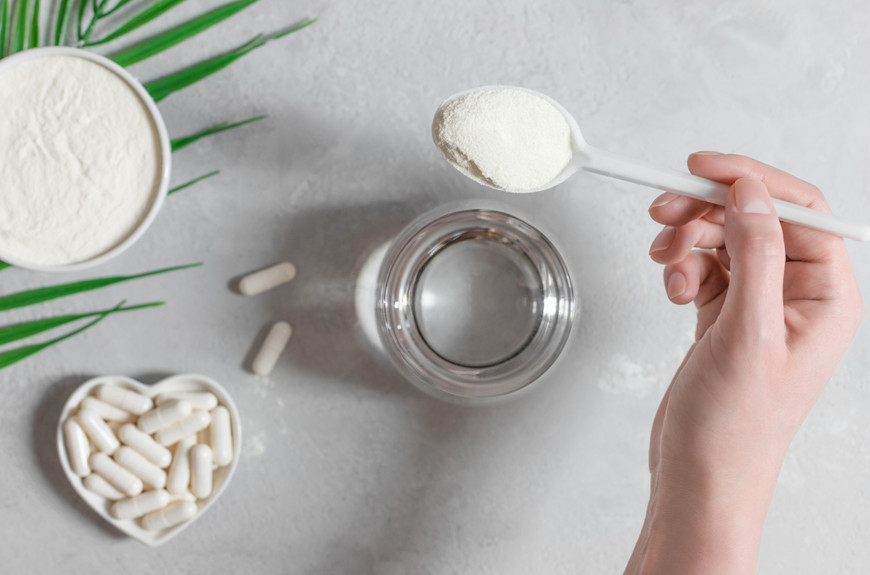
If glowing, supple, and youthful skin tops your wishlist, collagen is your golden ticket. Once an underrated buzzword, it’s now the holy grail of beauty and wellness — showing up in powders, peptides, skincare serums, and even your morning latte. But with so much collagen hype, it’s easy to lose sight of what it actually does and how to support it effectively.
Let’s break down the science, the signs of depletion, and how to rebuild your skin’s bounce — from the inside out.
What Exactly Is Collagen?
Collagen is the most abundant protein in the human body. Think of it as your skin’s scaffolding — the structure that keeps everything lifted, smooth, and elastic. It’s also a major component of your muscles, tendons, ligaments, bones, and even your gut lining.
There are at least 28 types of collagen, but the big three that matter most for skin and joints are:
-
Type I: Found in skin, hair, nails, bones, and tendons — makes up 90% of your body’s collagen.
-
Type II: Found in cartilage — helps cushion your joints.
-
Type III: Found in muscles, arteries, and organs — supports elasticity.
When you’re young, your body naturally produces plenty of collagen. But starting in your mid-20s, that production begins to slow — by about 1% per year, and even faster with sun exposure, poor diet, smoking, or stress.
The result? Fine lines, sagging, thinning skin, and slower healing.
Signs You’re Low on Collagen
It’s not just about wrinkles. Collagen decline can affect multiple areas of your body.
Here’s what to look for:
-
Loss of firmness and elasticity — skin looks tired or droopy.
-
Fine lines and wrinkles around eyes and mouth become more noticeable.
-
Dry or rough skin texture — collagen helps maintain moisture retention.
-
Thinning hair or brittle nails — both depend on keratin and collagen cross-support.
-
Joint stiffness or discomfort — especially if you’re active or aging.
If any of these sound familiar, your collagen stores might be calling for a refill.
Why Collagen Production Declines
There are a few culprits behind collagen breakdown:
-
Aging: Natural enzymatic processes called collagenases degrade existing collagen.
-
UV Exposure: Sunlight triggers free radicals that damage collagen fibers.
-
Poor Diet: Processed foods, sugar, and alcohol accelerate glycation — a process that weakens collagen.
-
Stress & Lack of Sleep: Chronic cortisol release impairs collagen synthesis.
-
Environmental Pollutants: Toxins increase oxidative stress that breaks down proteins in the skin.
While we can’t turn back time, we can absolutely slow down the clock.
Boosting Collagen from the Inside Out
Healthy collagen production starts internally — through diet, lifestyle, and targeted supplementation.
1. Eat Collagen-Boosting Foods
Collagen is rich in amino acids like glycine, proline, and hydroxyproline. To encourage synthesis, your body also needs vitamin C, zinc, and copper.
Top foods to add to your diet:
-
Bone broth: Naturally rich in collagen and amino acids.
-
Citrus fruits, berries, and bell peppers: Excellent vitamin C sources.
-
Egg whites: High in proline, a key collagen amino acid.
-
Leafy greens: Packed with antioxidants and trace minerals.
-
Fish and chicken skin: Contain natural collagen peptides.
2. Supplement Strategically
Collagen supplements have taken over the wellness world — and for good reason. Studies show that hydrolyzed collagen peptides can significantly improve skin elasticity and hydration when taken consistently for 8–12 weeks.
Fan favorites at BeautifiedYou.com include:
-
Designs for Health Whole Body Collagen: A clinically formulated peptide blend supporting skin, hair, nails, and joints.
-
Thorne Collagen Plus: Combines hydrolyzed collagen with nicotinamide riboside (NR) to enhance cellular energy and renewal.
-
NeoCell Super Collagen + C: A classic choice featuring collagen types I & III with vitamin C for optimal absorption.
Pro tip: Always look for “hydrolyzed” or “peptide” collagen — these forms are broken down into smaller amino acids that your body can actually absorb.
3. Support It with Vitamins & Antioxidants
Your collagen-building process relies on a few key nutrients:
-
Vitamin C: Required for collagen cross-linking (try Thorne Vitamin C with Flavonoids).
-
Zinc & Copper: Cofactors that stabilize collagen formation.
-
Antioxidants like CoQ10 and Glutathione: Help neutralize free radicals that degrade collagen.
4. Optimize Lifestyle Habits
Small daily shifts have a big impact:
-
Sleep: Collagen regenerates during deep sleep — aim for 7–9 hours.
-
Hydration: Water keeps skin cells plump and collagen networks supported.
-
Sunscreen: UV damage is the #1 collagen killer — use SPF daily (try EltaMD UV Clear Broad-Spectrum SPF 46).
-
Manage stress: Chronic cortisol weakens skin structure; meditation or adaptogens can help.
Topical Collagen Support: Feeding Your Skin Directly
While ingestible collagen works from within, topical treatments help protect and stimulate your skin’s natural collagen-making machinery.
1. Vitamin C Serums
A daily vitamin C serum can boost collagen synthesis and fight oxidative stress.
Try:
-
Dermalogica BioLumin-C Serum: Delivers ultra-stable vitamin C to brighten and firm.
-
iS Clinical Pro-Heal Serum Advance+: Combines vitamin C with antioxidants for inflammation-prone skin.
2. Retinoids
Retinol is a collagen powerhouse. It speeds up cell turnover and signals fibroblasts to produce more collagen.
Try:
-
SkinMedica Retinol Complex 1.0: Potent yet balanced for visible smoothing.
-
Epionce Renewal Facial Lotion: Strengthens the skin barrier while supporting renewal.
3. Peptide Creams
Peptides are like mini-messengers telling your skin to build more collagen.
Try:
-
Senté Dermal Contour Pressed Serum: Powered by HSA technology for deep firmness.
-
Neocutis Micro Night Riche: Infused with growth factors and peptides for overnight rejuvenation.
4. SPF Protection
UV exposure destroys collagen faster than anything else. Daily SPF is non-negotiable — rain or shine.
Try:
-
-
La Roche-Posay Anthelios Melt-In Milk SPF 60
-
Vacation Classic Whip SPF 30 (because sunscreen should be fun!)
-
Collagen and Gut Health: The Hidden Connection
Did you know your gut and skin share the same collagen-dependent connective tissue?
When your gut lining is strong and intact, nutrient absorption improves — meaning your collagen supplements work even better.
Supporting the gut can, therefore, indirectly enhance skin radiance.
Consider adding:
-
Microbiome Labs MegaSporeBiotic: A spore-based probiotic that supports intestinal barrier integrity.
-
Designs for Health GI Revive: A comprehensive blend for soothing and rebuilding gut tissue.
A happy gut = better collagen absorption = better glow.
The Timeline: When to Expect Results
Consistency is key. Collagen restoration doesn’t happen overnight.
Here’s what to expect:
-
2–4 weeks: Notice smoother skin texture and better hydration.
-
6–8 weeks: Visible firmness, plumper look, and reduced fine lines.
-
12+ weeks: Stronger nails, shinier hair, improved joint comfort.
Pair your supplement with topical serums and SPF for amplified results.
Common Myths About Collagen
Let’s debunk a few misconceptions:
Myth 1: You can just apply collagen cream and get instant results.
False — collagen molecules are too large to penetrate the skin. Look for collagen-boosting ingredients instead.
Myth 2: All collagen supplements are the same.
Not true — look for hydrolyzed peptides, type-specific blends, and added nutrients like vitamin C.
Myth 3: Vegans can’t support collagen.
While collagen itself is animal-derived, vegan collagen boosters exist. They use amino acids, vitamin C, and botanicals to support natural production.
A Complete Collagen Routine
Morning:
-
Take your collagen supplement with vitamin C (Designs for Health Whole Body Collagen + Thorne Vitamin C).
-
Apply a brightening vitamin C serum (Dermalogica BioLumin-C Serum).
-
Lock in moisture with a peptide moisturizer (Senté Dermal Contour Pressed Serum).
-
Finish with SPF (EltaMD UV Clear SPF 46).
Evening:
-
Cleanse gently and apply a retinol or peptide night cream (SkinMedica Retinol Complex 1.0 or Neocutis Micro Night Riche).
-
Stay hydrated with herbal tea or collagen-infused water.
-
Sleep well — your collagen cells work overtime overnight.
The Bottom Line
Collagen is more than a beauty buzzword — it’s the foundation of strong, resilient, luminous skin.
When supported from both the inside (supplements, nutrition, hydration) and the outside (serums, SPF, retinol), collagen can truly transform your skin’s health and appearance.
A consistent, balanced approach — not quick fixes — delivers results that last.
So, whether you stir it into your smoothie or smooth it onto your skin, collagen is your ultimate investment in long-term glow.